Hebei Zhongda Electric Power Equipment Co., LTD.,Contact Now Get 20-30% Off




The Advantages of Tempered Glass Insulators: A Reliable Choice for Modern Electrical Systems
Release time:
2025-09-26
Though the initial cost of tempered glass insulators may be slightly higher than traditional alternatives, their durability and longevity offer a greater return on investment over time

Tempered glass insulators are specialized components used to insulate electrical conductors and ensure the proper functioning of high-voltage power lines, substations, and other critical electrical equipment. These insulators are made from high-quality glass that undergoes a tempering process— a heat treatment method that strengthens the material, enhancing its mechanical strength and resistance to breakage.
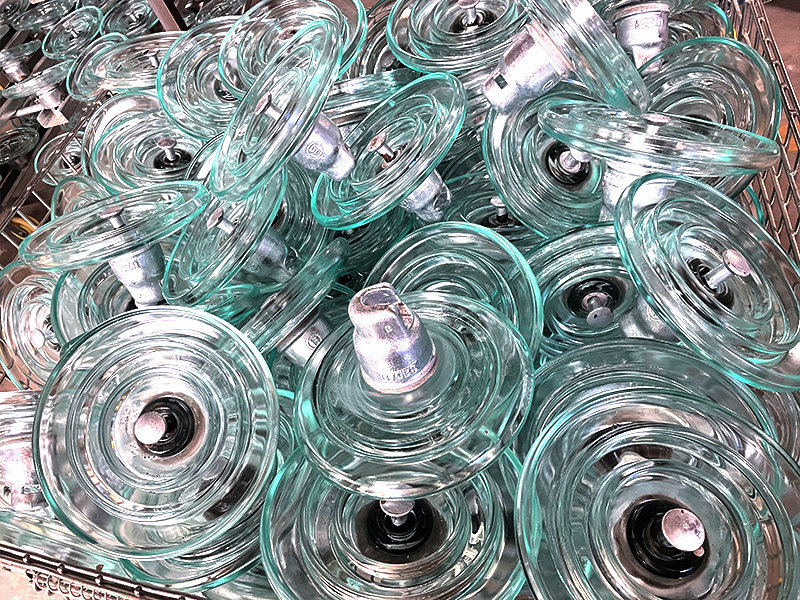
Key Advantages of Tempered Glass Insulators
Superior Mechanical Strength and Durability
The tempering process gives glass insulators exceptional strength, enabling them to withstand heavy mechanical stresses and extreme weather conditions. Unlike traditional ceramic insulators, tempered glass insulators have a significantly higher resistance to breaking and can endure harsh environments, including high winds, freezing temperatures, and pollution.
Excellent Electrical Insulation
Glass, as a material, offers outstanding electrical insulating properties, preventing power leakage and ensuring stable and efficient operation of electrical systems. With their high dielectric strength, tempered glass insulators are ideal for high-voltage transmission lines and substations, ensuring safe and uninterrupted power supply.
Weather Resistance
One of the most compelling advantages of tempered glass insulators is their ability to perform consistently in a wide range of weather conditions. The smooth surface of tempered glass is resistant to the accumulation of dirt, dust, and other environmental pollutants, which is often a major issue with ceramic insulators. This makes tempered glass insulators less prone to deterioration over time and more efficient in maintaining high insulation performance.
Improved Safety and Reliability
Safety is a top priority in electrical infrastructure, and tempered glass insulators excel in this regard. The material is not only durable but also easy to inspect. Unlike ceramic insulators, which can sometimes crack or break without obvious external signs, the integrity of tempered glass insulators is more visible, allowing for easier identification of potential issues before they become serious problems. This enhanced transparency improves safety and operational reliability.
Eco-Friendly and Sustainable
Tempered glass is a sustainable material. It is fully recyclable, making it an environmentally friendly choice for electrical systems. Unlike some other insulating materials that may degrade over time and require disposal, tempered glass can be repurposed without significant environmental impact, contributing to the reduction of overall waste.
Cost-Effectiveness in the Long Run
Though the initial cost of tempered glass insulators may be slightly higher than traditional alternatives, their durability and longevity offer a greater return on investment over time. The reduced need for maintenance, combined with their resilience to environmental wear and tear, makes tempered glass insulators a cost-effective option in the long run.
Keyword:
Next article
Related News
Features and advantages of glass insulators
Light weight and high strength: Glass insulators have better light weight and high strength characteristics than traditional insulators, which makes it easy to install and maintain.
2025-08-05
Definition and use of glass insulators
Glass insulator: The device used to support and insulate the wire is called an insulator. The insulator device is made of glass, so it is called a glass insulator.
2025-08-05
An In-Depth Look at the Manufacturing Process of Pin Type Porcelain Insulators
An In-Depth Look at the Manufacturing Process of Pin Type Porcelain Insulators Table of Contents 1. Introduction to Pin Type Porcelain Insulators 2. Raw Materials Used in Manufacturing 3. Step-by-Step Manufacturing Process 3.1 Mixing and Blending Ingredients 3.2 Forming the Insulator Shapes 3.3 Drying the Formed Insulators
2026-09-14
Understanding Tempered Glass Insulators: A Key Component in Electrical Insulation
Tempered glass insulators are essential components in the electrical engineering sector, particularly in applications that require reliable insulation and durability. These insulators are made from specially treated glass that enhances their strength and thermal resistance, making them suitable for high-voltage environments. The process of tempering involves heating the glass to high temperatures
2026-09-11
Innovations in Drop Type Fuse Technology for Modern Power Lines
Innovations in Drop Type Fuse Technology for Modern Power Lines Introduction to Drop Type Fuse Technology In the realm of electrical engineering, **drop type fuses** have become integral components, especially for modern power lines. These devices serve the crucial purpose of protecting electrical circuits from overloads and short circuits, ensuring the safety and reliability of power distribution
2026-09-08